
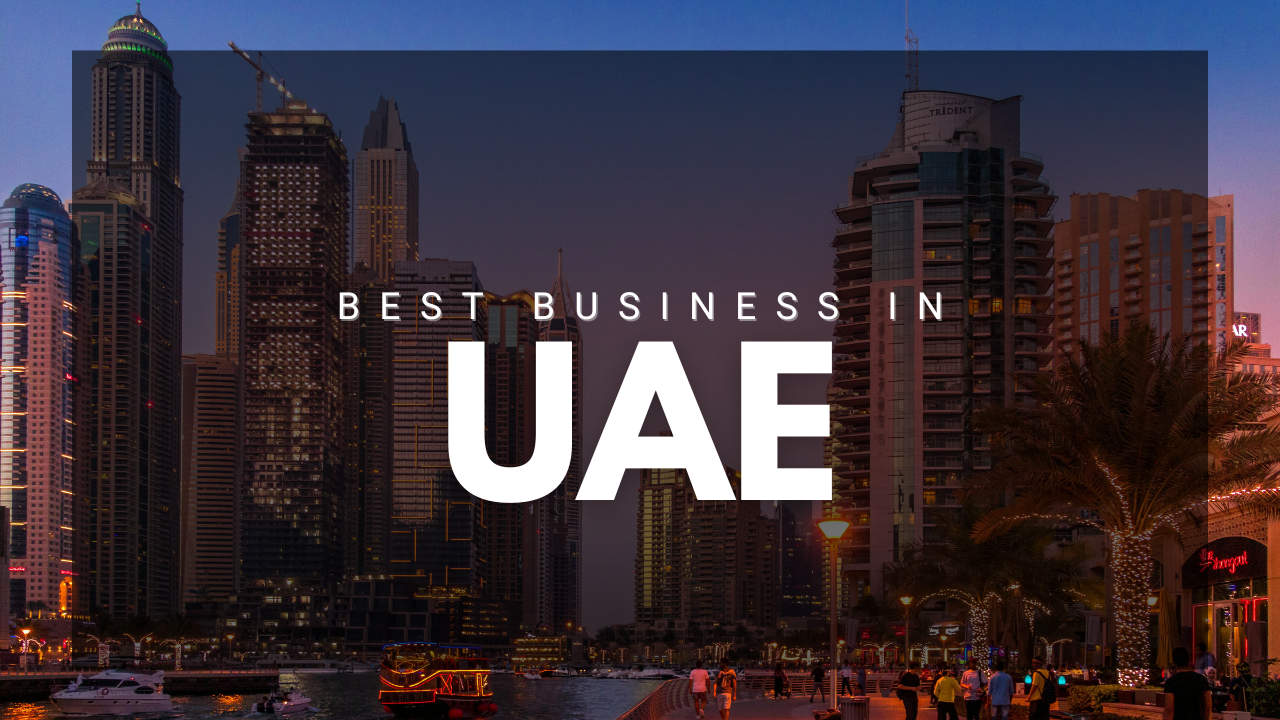

The United Arab Emirates stands as a beacon of ambition and economic prowess on the global stage. More than just a land of towering skyscrapers and vast deserts, it is a meticulously crafted ecosystem for commerce, innovation, and growth. For entrepreneurs and investors worldwide, the question isn’t so much whether to do business here, but which business to pursue. The phrase “best business in UAE” doesn’t point to a single golden ticket, but rather to a spectrum of ventures that align perfectly with the nation’s strategic vision, market dynamics, and evolving consumer landscape.
Identifying the best opportunity requires moving beyond generic lists and understanding the “why” behind the success. It’s about synergizing with the UAE’s goals of digital transformation, sustainability, tourism excellence, and health & wellness. This guide delves deep into five of the most promising and viable business sectors in the UAE today. We will explore not just what they are, but the practical pathway to building them, the growth trajectory, and the investment reality, providing you with a foundational blueprint for your entrepreneurial journey in this dynamic land.
Top 5 Best Business In UAE
1. E-commerce and Direct-to-Consumer (DTC) Brands

The UAE boasts one of the highest smartphone penetration and internet usage rates in the world. Coupled with a diverse, high-spending population that values convenience, the e-commerce sector has evolved from a novelty to a necessity. While general marketplaces are saturated, the real opportunity lies in niche DTC brands. These businesses control their entire experience—from product creation and branding to marketing and customer service—building loyal communities rather than just processing transactions.
The Progress and Opportunity: The market is moving fast. The pandemic accelerated adoption, and now consumers expect sophisticated online experiences. Success is no longer just about selling online; it’s about storytelling, brand identity, and leveraging social commerce platforms like Instagram and TikTok. The UAE’s exceptional logistics infrastructure, with hubs like Dubai South, makes fulfillment efficient. The key is to identify an underserved niche—be it sustainable activewear, gourmet pet food, locally crafted home fragrances, or specialized tech accessories for gamers.
How to Do It & Grow It:
The journey begins with deep market validation. Use tools like Google Trends and social media listening to gauge interest. Start lean by developing a minimum viable product (MVP) and building a pre-launch waitlist through targeted social media ads. Your website is your flagship store; invest in a professional, mobile-optimized site on platforms like Shopify or WooCommerce.
Growth is fueled by data-driven digital marketing. Master search engine optimization (SEO) to capture local intent (e.g., “organic skincare Dubai”). Implement a robust content strategy and leverage influencer partnerships with micro-influencers for authentic reach. Customer retention is cheaper than acquisition; implement loyalty programs and exceptional, personalized post-purchase communication. As you scale, consider pop-up shops in high-footfall locations to blend online credibility with offline experience, a strategy known as “clicks-and-mortar.”
Investment Breakdown:
This can range from a lean start-up to a significant venture.
- Initial Setup (Low-end): AED 20,000 – AED 50,000. Covers trade license (e-commerce), initial inventory (small batch or print-on-demand), basic website setup, and initial marketing seed fund.
- Scalable Setup (Realistic): AED 100,000 – AED 300,000. Allows for custom product development, professional branding and website, quality initial inventory, a structured marketing budget for 6 months, and dedicated logistics support.
- Key Costs: Recurring costs include platform subscriptions, digital ad spend, photography/videography, shipping, and customer service.
2. Sustainable and Green Technology Solutions
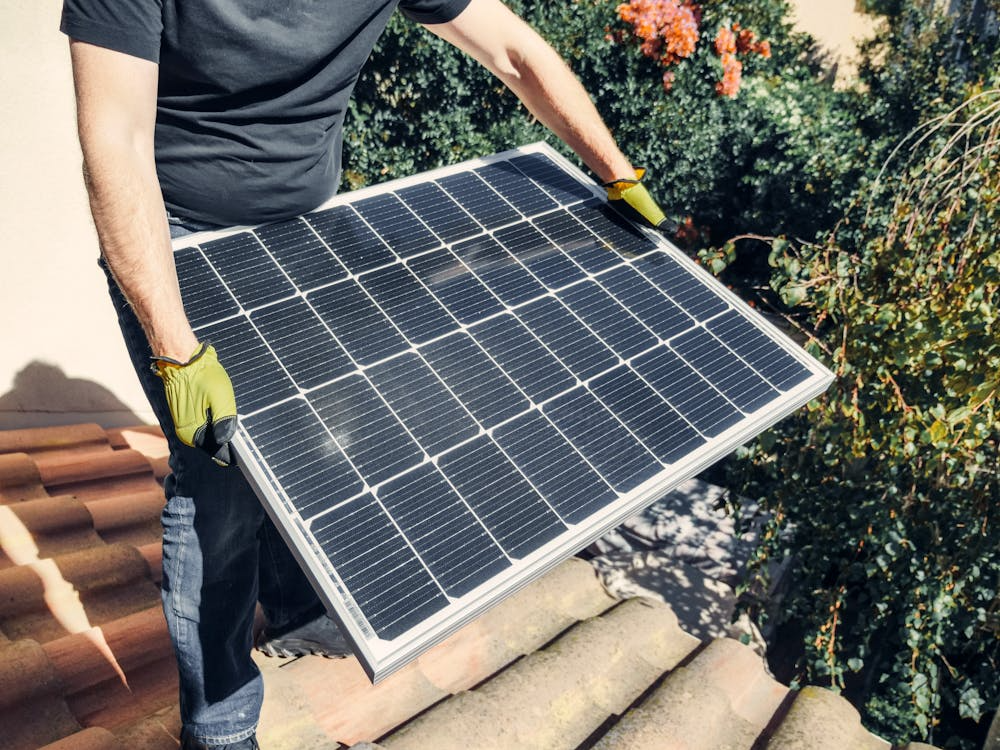
The UAE has placed a definitive, strategic bet on the future with its ambitious Net Zero by 2050 Strategic Initiative. From Mohammed bin Rashid Al Maktoum Solar Park to the Masdar City project, sustainability is a national pillar, not a trend. This commitment opens a vast arena for businesses that provide practical green solutions. This sector moves beyond theory into actionable technology and services that help other businesses and consumers reduce their environmental footprint.
The Progress and Opportunity: The regulatory environment is increasingly supportive, and there is growing demand from both corporations seeking ESG (Environmental, Social, and Governance) compliance and environmentally conscious residents. Opportunities are multifaceted: providing solar panel installation and maintenance for villas and SMEs, offering comprehensive waste management and recycling consultancy for businesses, supplying and installing smart water-saving and energy-efficient systems for buildings, or creating products from upcycled materials.
How to Do It & Grow It:
Start by specializing. Instead of being a general “green consultant,” focus on a specific vertical, such as conducting energy audits for restaurants or providing sustainable fit-out solutions for offices. Acquiring relevant certifications can add immense credibility. Building a strong B2B network is crucial; attend industry events hosted by Dubai Chamber or Abu Dhabi Department of Energy. Partner with construction companies, property developers, and facilities management firms.
Growth involves moving from service provision to productization. For instance, an energy audit service can evolve into a proprietary monitoring software. Securing a few high-profile clients can serve as powerful case studies. Public sector tenders are also a significant avenue as government entities lead by example in green procurement. Education is a powerful marketing tool—hosting workshops or webinars on sustainability compliance can position you as a thought leader.
Investment Breakdown:
This is a knowledge and partnership-intensive business.
- Service-Based Start: AED 50,000 – AED 150,000. Covers consultancy license, certifications, initial marketing material, and operational costs for the first 6-12 months.
- Product/Installation-Based: AED 250,000 – AED 750,000+. Includes inventory of products (e.g., solar kits, smart devices), specialized tools, warehouse space, certified technician hires, and vehicle fleets.
- Key Costs: Technology licenses, certification fees, skilled labor, insurance, and inventory holding costs.
3. Specialized Health, Wellness, and Longevity Services

The UAE’s vision transcends physical health, aiming to become a global hub for medical tourism and holistic well-being. A affluent, time-poor, and highly diverse population is actively investing in personalized health. This goes far beyond standard gyms, branching into preventative care, mental well-being, and longevity science. The best business in UAE in this sector addresses a specific, high-demand need with professionalism and personalized care.
The Progress and Opportunity: There is a shift from reactive treatment to proactive wellness. Busy professionals seek efficiency, leading to demand for concierge-style services like at-home physiotherapy, corporate wellness programs, and personalized nutrition planning. The mental wellness space is rapidly destigmatizing, creating opportunities for specialized therapy practices, mindfulness coaching, and stress management retreats. The longevity niche, offering advanced diagnostic testing and personalized regimens, is emerging at the premium end.
How to Do It & Grow It:
Success is built on credentials and trust. Ensure all practitioners are fully licensed by the Dubai Health Authority (DHA) or relevant health authority. Start with a sharp focus—for example, physiotherapy for post-natal recovery or corporate ergonomic assessments. A hybrid model is powerful: a central clinic for consultations combined with at-home or corporate site visits for convenience.
Marketing should emphasize results and professionalism. Content marketing through educational blogs and videos on injury prevention or nutrition tips builds authority. Partnerships are golden: collaborate with corporate HR departments, insurance companies, premium residential complexes, and even other healthcare providers for referrals. As you grow, consider developing proprietary wellness programs or branded product lines (e.g., therapeutic foam rollers, supplement packs) to increase revenue streams.
Investment Breakdown:
This is a moderate to high-investment business due to regulatory and space requirements.
- Mobile/Home-Service Model: AED 100,000 – AED 250,000. Covers professional license, practitioner licenses, insurance, mobile equipment, marketing, and a small admin office.
- Clinic-Based Model: AED 500,000 – AED 1.5 Million+. Includes fit-out costs for a clinic in a strategic location, high-quality equipment, initial inventory, hiring multiple licensed professionals, and a significant marketing launch budget.
- Key Costs: Medical licensing fees, high-quality equipment, professional indemnity insurance, and skilled staff salaries.
4. Advanced Home Services and Maintenance
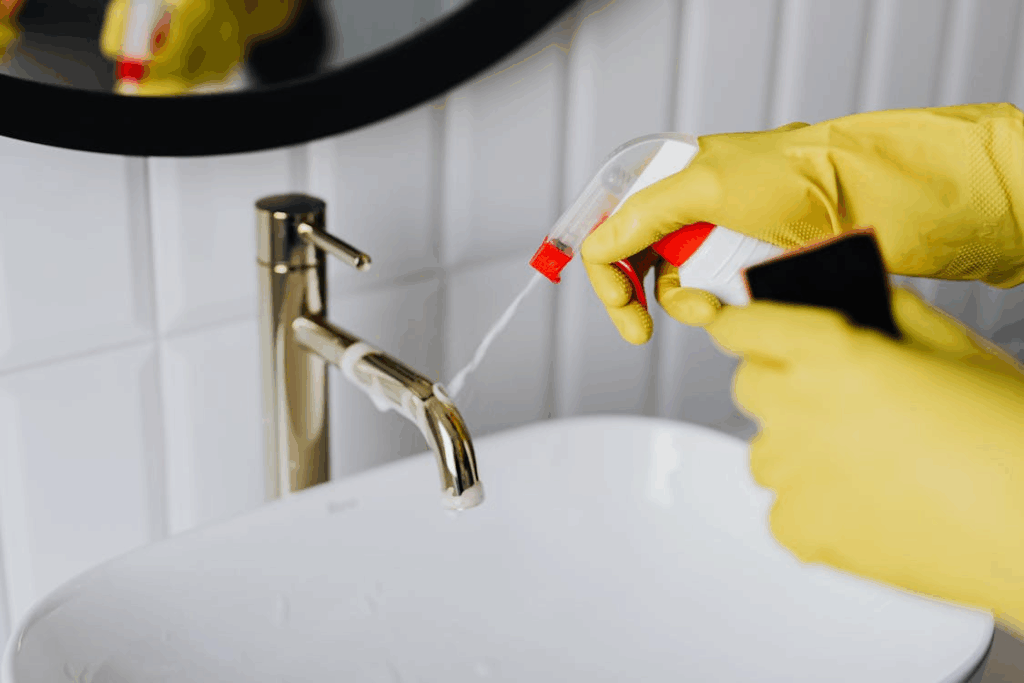
The UAE’s landscape is dominated by residential towers, vast villa communities, and constantly expanding real estate. Every single one of these properties requires maintenance, upkeep, and enhancement. While basic handyman services exist, the market gap lies in advanced, reliable, and tech-enabled service providers. Consumers and property management companies are frustrated by inconsistency and are willing to pay a premium for quality, guaranteed work, and seamless booking.
The Progress and Opportunity: This sector is ripe for disruption through professionalism and technology. Think of it as “Uber-fication” for home services, but with a focus on vetted, skilled technicians and complex jobs. Opportunities include specialized air conditioning deep-cleaning and repair, smart home installation and integration, advanced plumbing and electrical work, high-pressure cleaning for villas and buildings, and premium painting or minor renovation work.
How to Do It & Grow It:
The cornerstone is building a team of certified, reliable technicians. Invest in rigorous training and uniform branding—your team’s appearance and conduct should inspire trust. Develop standardized service packages with clear pricing (e.g., “AC Deep Clean Package for 1-Bedroom Apartment: AED 399”). The user experience is critical; invest in a professional app or website that allows for easy booking, service tracking, and digital payment.
Growth comes from securing contracts with property management companies (PMCs) for entire buildings or communities—this provides recurring revenue. Positive reviews on platforms like Google My Business are your lifeblood. Encourage them. Expand your service portfolio gradually based on customer demand. For tech-savvy entrepreneurs, developing your own field service management software could become a product in itself. To manage daily life and these operations efficiently, utilizing The Most Important Apps in Dubai for logistics, communication, and payments is essential.
Investment Breakdown:
- Start-up Scale: AED 150,000 – AED 400,000. Covers trade license, 1-2 service vehicles, initial tooling and equipment for your chosen specialty, basic uniforms, insurance, and a simple booking website.
- Growth Scale: AED 500,000 – AED 1 Million+. Allows for a larger fleet, a wider range of specialized equipment, hiring a small team of full-time technicians, developing a custom app, and a marketing budget to target PMCs.
- Key Costs: Vehicle financing/maintenance, equipment, technician salaries/commissions, insurance, and digital marketing.
5. Niche Food & Beverage Concepts with an Experience

The UAE’s F&B scene is fiercely competitive, yet perpetually hungry for the next novel experience. The era of the generic café or restaurant is over. The winners are concepts that offer a unique blend of exceptional product, compelling storytelling, and a memorable atmosphere. This is about creating a destination, not just a place to eat. The niche can be defined by cuisine (authentic Levantine street food), dietary focus (fully keto bakery), occasion (premium picnic basket delivery), or a unique hybrid model (artisanal coffee roastery with vinyl listening lounge).
The Progress and Opportunity: Consumers are educated and adventurous. They seek Instagrammable moments, authentic narratives, and quality ingredients. Cloud kitchens remain a lower-risk entry point for validating a concept, but the ultimate prize often lies in a well-designed physical space that fosters community. Sustainability and ethical sourcing are becoming powerful parts of the brand story. The key is to identify a gap—perhaps there’s no dedicated eban (Yemeni) restaurant or a high-end, allergy-friendly dessert bar.
How to Do It & Grow It:
Begin with obsessive validation. Host pop-up events, sell at local markets like Ripe Market, or run a cloud kitchen for 6-12 months to refine your menu and build a following. Your brand identity—name, logo, design ethos—must be cohesive and tell a story. Location is paramount; align your location with your target demographic.
Growth for an F&B business is multifaceted. First, mastery of unit economics: precise food cost control, inventory management, and labor scheduling. Second, creating a “must-visit” buzz through strategic influencer collaborations and user-generated content campaigns. Third, expanding revenue streams: consider retailing your signature sauces or spices, offering catering for events, or creating subscription boxes. A single successful flagship location can be the launchpad for carefully planned expansion.
Investment Breakdown:
This has one of the widest investment ranges.
- Cloud Kitchen Model: AED 200,000 – AED 500,000. Covers F&B license, rental in a cloud kitchen facility, initial ingredient inventory, packaging, and a heavy focus on digital marketing and delivery platform optimization.
- Physical Restaurant/Café (Mid-range): AED 1 Million – AED 2.5 Million+. Includes fit-out and interior design, kitchen equipment, furniture, initial inventory, pre-opening marketing, and operational capital for the first 6 months of rent and salaries.
- Key Costs: High fit-out costs, expensive equipment, recurring food inventory, skilled chef salaries, and significant marketing spend.
Identifying the best business in UAE is a strategic exercise in alignment. It requires matching your skills and passions with the nation’s economic currents and the unmet needs of its sophisticated population. Whether you are building a digital DTC brand, contributing to a greener future, enhancing community well-being, solving everyday problems with professionalism, or creating memorable culinary experiences, the foundation for success is the same: deep market understanding, a commitment to quality, and a business model that leverages the UAE’s unparalleled infrastructure and global connectivity. The market rewards clarity, specialization, and exceptional execution. By choosing a path that resonates with the UAE’s vision for the future, you are not just starting a business; you are building a legacy in the world’s most ambitious commercial playground.
Frequently Asked Questions (FAQ)
What is the first legal step to starting a business in the UAE?
The first critical step is deciding on your business structure and location. This means choosing between a Mainland license (allowing direct trade across the UAE but often requiring a local sponsor), a Free Zone license (offering 100% foreign ownership and tax benefits but with some restrictions on selling directly to the UAE market), or an Offshore company. Consulting with a business setup advisor is highly recommended to navigate this choice based on your specific activity.
How much money do I need to start a small business in the UAE?
As seen in the breakdowns above, it varies dramatically. A lean online service or consultancy can start with AED 50,000 – AED 100,000 for licensing, initial marketing, and operational runway. A product-based or physical location business will typically require a minimum of AED 250,000 to AED 1 million to launch properly. Always have at least 6 months of operational capital beyond setup costs.
Which emirate is best for starting a business: Dubai or Abu Dhabi?
This depends on your sector. Dubai is often the go-to for tourism, retail, media, and general trading due to its international connectivity and market size. Abu Dhabi can be more advantageous for businesses in energy, aerospace, healthcare, and heavy industry, and may offer different incentives. For a detailed comparison, you can explore resources that delve into the nuances of each location.
Is it necessary to have a local partner or sponsor?
Not necessarily. If you set up in any of the over 40 Free Zones across the UAE, you can own 100% of your company. For a Mainland license, most professional and service activities now allow 100% foreign ownership. Commercial and industrial activities may still require a local service agent (different from a partner) or, in some cases, a local partner with a majority stake. Regulations are constantly evolving, so check the latest with the Department of Economic Development (DED) of the respective emirate.
What are the biggest challenges for new businesses in the UAE?
Key challenges include high competition in popular sectors, navigating regulatory procedures (though much simplified), the relatively high cost of quality talent and real estate, and building brand trust in a crowded, transient market. A clear unique value proposition, thorough planning, and professional local guidance are essential to overcome these.