

The United Arab Emirates has accomplished a remarkable feat in the realm of higher education. In just a few decades, the nation has transformed its academic landscape from a handful of local institutions to a vibrant, globally-connected hub featuring world-class research universities, prestigious international branch campuses, and innovative specialized colleges. For students from the region and across the globe, the UAE now offers an exceptional array of choices, blending Eastern and Western educational philosophies, cutting-edge research, and multicultural campus experiences. This guide provides a detailed exploration of the best universities in UAE, offering the insights you need to make a pivotal decision for your future.
The nation’s educational strategy is clear: to develop homegrown talent and attract the brightest minds from abroad to fuel a knowledge-based economy. This is reflected in the significant investments in state-of-the-art facilities, research grants, and partnerships with elite global institutions. Whether you are drawn to the engineering and technology prowess of Abu Dhabi’s specialized institutes, the comprehensive program offerings of the founding national university, or the dynamic, business-focused environment of Dubai’s private colleges, the UAE presents a unique and compelling destination for higher education.
Understanding the UAE’s Higher Education Landscape
The UAE’s university system is characterized by its diversity. It includes public (government-funded) universities, which often have a strong research focus and cater significantly to Emirati nationals, and a wide array of private institutions. Many of these private universities are branches of internationally renowned schools from the United States, United Kingdom, Australia, and India, offering students the chance to earn a foreign degree while living in the UAE.
A key feature of the ecosystem is the development of dedicated academic cities. Dubai International Academic City and Sharjah’s University City are prime examples, housing clusters of universities from different countries, creating a synergistic environment for students. The primary language of instruction for most programs, especially at the postgraduate level and in private institutions, is English, though Arabic is also used, particularly in public universities and for specific humanities or law programs.
Admission requirements and tuition fees vary widely. Public universities like United Arab Emirates University (UAEU) or Khalifa University can be more affordable for eligible students, with annual fees for undergraduates often ranging from approximately AED 40,000 to AED 60,000. Private and international institutions typically have higher fees, which can range from AED 55,000 to over AED 85,000 per year. The application process usually requires academic transcripts, proof of English proficiency (like IELTS or TOEFL scores), a valid passport, and sometimes letters of recommendation or personal statements.
Detailed Profiles of the Top Universities in UAE
To help you navigate this rich landscape, we have compiled detailed profiles of eight of the most prominent and highly regarded universities in the country. The following tables and descriptions provide a clear comparison of their unique strengths, offerings, and characteristics.
1. United Arab Emirates University (UAEU)
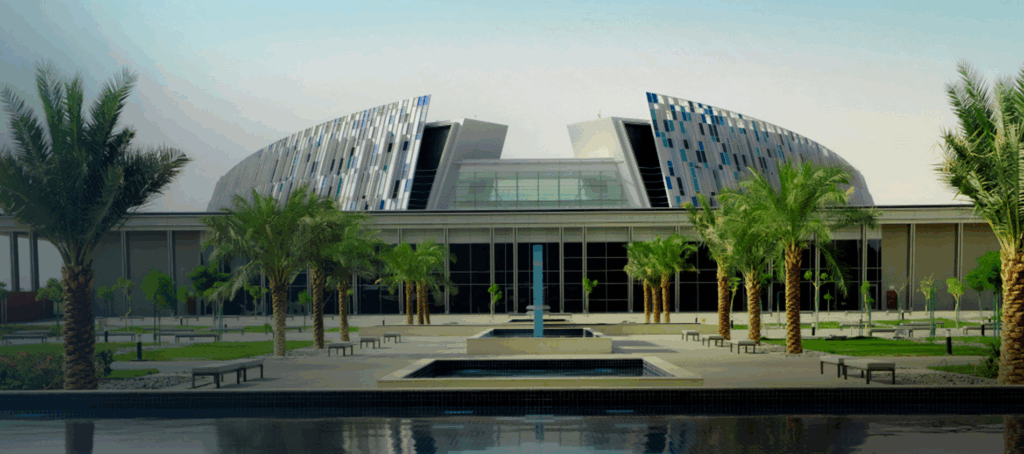
As the oldest and flagship university in the nation, UAEU holds a special place in the country’s academic history. Founded in 1976 by the late Sheikh Zayed bin Sultan Al Nahyan, it is a comprehensive, research-intensive university located in the garden city of Al Ain.
2. Khalifa University
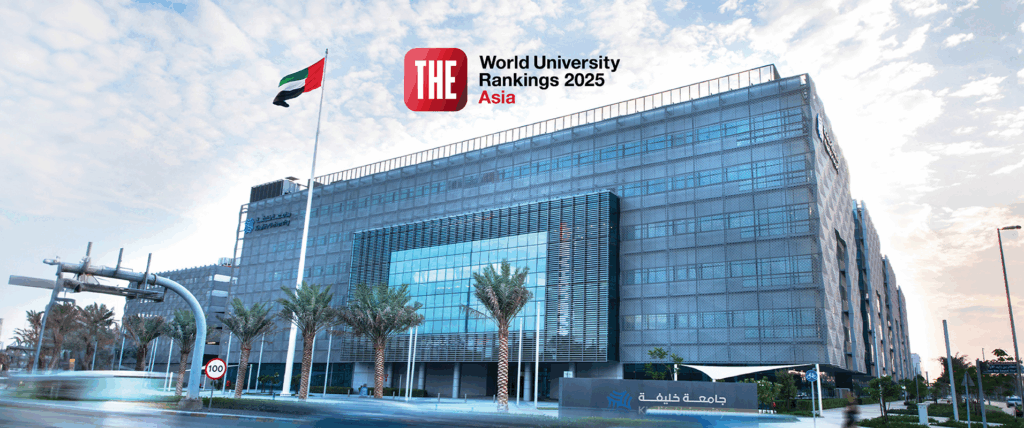
Khalifa University is a non-profit, science-focused institution established in 2007 in Abu Dhabi as a key government initiative to advance research and innovation. It is particularly renowned for its engineering and technology programs.
3. University of Sharjah
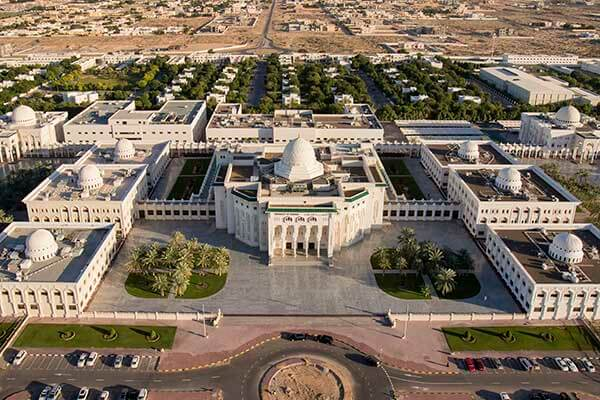
Established in 1997, the University of Sharjah has grown rapidly to become one of the largest and most respected universities in the region. It plays a vital role in the socio-economic development of the emirate of Sharjah.
4. American University of Sharjah (AUS)
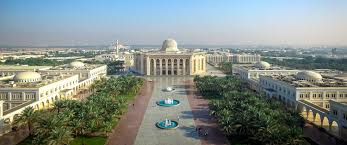
AUS is a private, independent university licensed in both the UAE and the United States. It offers a classic American-style liberal arts education, making it a highly popular choice for a diverse international student body.
5. Zayed University
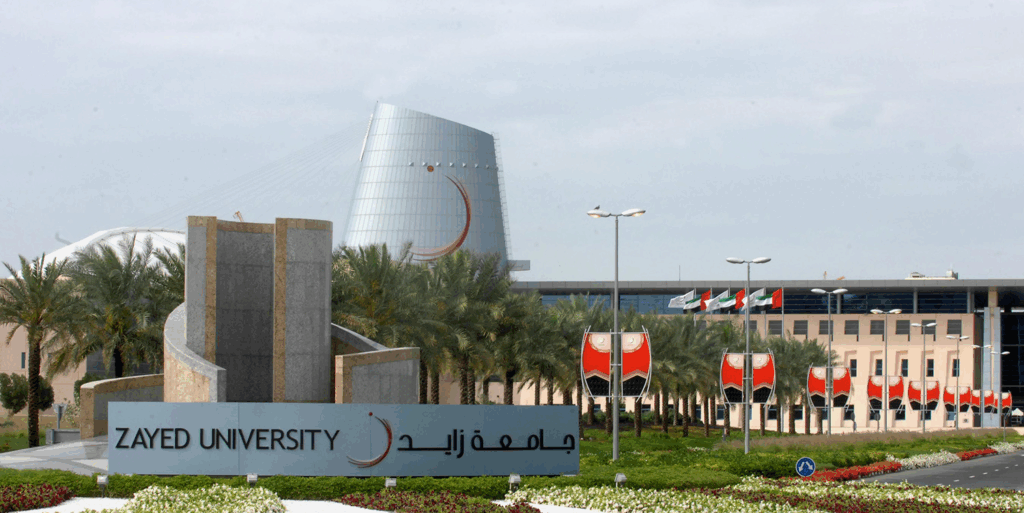
Founded in 1998 and named after the UAE’s founding father, Zayed University has campuses in both Abu Dhabi and Dubai. It has a strong reputation, particularly for its colleges of Business, Communication, and Arts.
6. New York University Abu Dhabi (NYU Abu Dhabi)
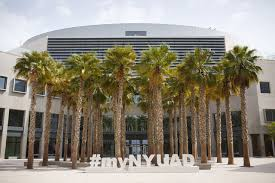
NYU Abu Dhabi is a unique portal campus of New York University, forming part of a global network with New York and Shanghai. It is a highly selective, liberal arts and sciences college with a groundbreaking international approach.
| Detail Category | Specific Information |
|---|---|
| Location | Saadiyat Island, Abu Dhabi. |
| Rankings (Sample) | Part of NYU’s global network; highly selective. |
| Curriculum & Colleges | Rigorous liberal arts and sciences curriculum with exceptional opportunities for global study and research. |
| Annual Tuition Fees (Approx.) | Comparable to NYU New York rates, but with a very robust need-based financial aid program that is blind to nationality. |
| Student Population | Small, highly international, and exceptionally talented cohort of students. |
| Key Strengths | Global Network: Full integration with NYU’s study-abroad and research sites worldwide. Elite & Selective: One of the world’s most competitive admissions processes. Research Intensive: Unparalleled undergraduate research opportunities with generous funding. |
7. Higher Colleges of Technology (HCT)
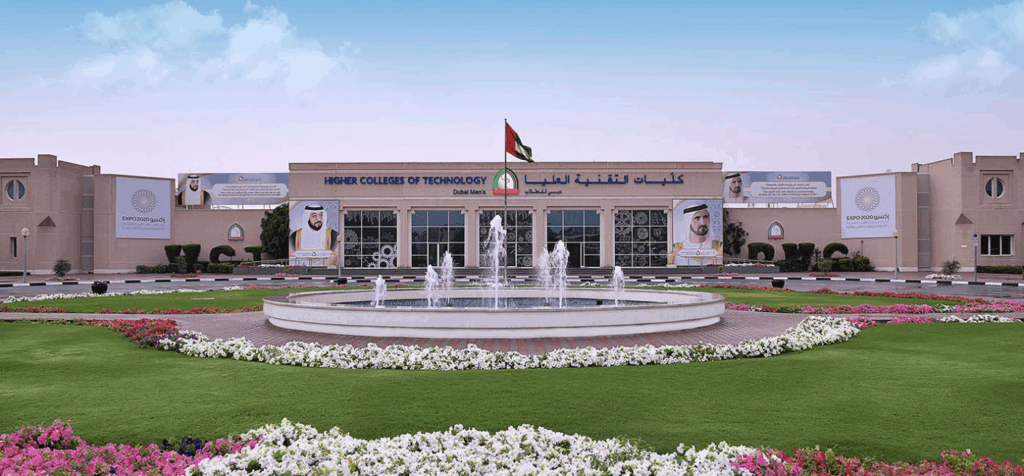
The HCT is the largest higher education institution in the UAE, comprising a network of campuses across the country. It focuses on applied, career-oriented education designed to meet the specific workforce needs of the UAE.
8. American University in Dubai (AUD)

AUD is a private, non-sectarian university offering a quintessential American education in the heart of one of the world’s most dynamic cities. All its programs are accredited in both the UAE and the United States.
Life as a Student in the UAE
Studying in the UAE is about more than academics; it’s a cultural experience. The society is a unique blend of traditional Emirati culture and a vast, modern expatriate community, making it generally open and tolerant while respecting local customs. Each city offers a distinct lifestyle. Dubai is known for its futuristic skyline, shopping festivals, and bustling cosmopolitan energy. Abu Dhabi, the capital, offers a slightly more relaxed pace with world-class museums like the Louvre and a growing cultural district on Saadiyat Island. Sharjah is celebrated as the cultural capital of the UAE, with many museums and heritage sites, and is known for its strong sense of community.
For students considering where to base their life, exploring options for the Best Place to Live in Dubai can be an important part of the planning process, balancing proximity to university campuses with lifestyle preferences and budget.
Navigating visas is a key practical step. Students require a residence visa sponsored by their university. The process involves medical tests and typically costs up to AED 3,000, plus a refundable deposit. Many students on valid visas are also permitted to work part-time for up to 15-20 hours per week, providing valuable professional experience.
Making Your Decision: Next Steps
Choosing the right university is a personal decision that should align with your academic goals, career aspirations, and personal preferences. Start by identifying the field of study that most interests you and then see which universities have the strongest reputation and facilities in that area. Consider the type of campus environment you prefer—a large, comprehensive national university, a specialized tech institute, or a small, global liberal arts college.
Finances are a crucial factor. Investigate scholarship opportunities offered directly by the universities, which can be merit-based, need-based, or specific to certain nationalities or fields of study. Don’t hesitate to reach out to university admissions offices with specific questions about programs, campus life, or financial aid.
Remember, your education is an investment in your future. The UAE offers a platform not just for a degree, but for building a global network and launching an international career. For families and students also navigating the practicalities of relocation, services in Real Estate Management Dubai can provide essential support in finding accommodation and settling in.
Frequently Asked Questions (FAQ)
What are the most affordable top-ranked universities in the UAE?
Public universities generally offer more affordable tuition. Institutions like the University of Sharjah, Zayed University, and UAE University (for eligible programs) provide high-quality education at relatively lower costs compared to private international branches. Always check the latest fee schedules on official university websites.
Do I need to speak Arabic to study in the UAE?
For most programs, especially at the postgraduate level and in private universities, the medium of instruction is English. Proficiency in English (verified by tests like IELTS or TOEFL) is a standard admission requirement. While knowing Arabic is beneficial for daily life and certain fields of study, it is not a requirement for the majority of academic programs.
What is the typical grading system in UAE universities?
Most universities follow either the American GPA system (on a 4.0 scale) or a percentage-based system. A common classification is: A (90-100%, GPA 4.0), B (80-89%, GPA 3.0-3.3), C (70-79%, GPA 2.0-2.3), with below 60% often considered a failing grade.
Can international students stay in the UAE to work after graduation?
Yes, the UAE offers post-study visa options to help graduates transition into the workforce. Policies can change, but typically, graduates can apply for a temporary residence visa to seek employment. Securing a job offer leads to an employer-sponsored work visa. The UAE’s thriving economy in sectors like finance, tech, tourism, and logistics provides ample opportunities for skilled graduates.